2016-2017 Consultation - Scenic Landscape Strategy


Council is producing a Scenic Landscape Strategy to identify and protect the Tweed's highly valued and important landscapes.

Tweed Shire's landscapes tell a rich and complex story of the region's evolution, its volcanic history, ecology, cultural and economic diversity.

Those landscapes include the southern hemisphere’s largest extinct shield volcano, five World Heritage-listed National Parks containing ancient Gondwana rainforests and dramatic mountain ranges and 37km of white sandy beaches and rocky headlands.

Nestled between them are 12 quaint rural villages, coastal creeks, mangrove estuaries, the Tweed River and its vast rich alluvial floodplain, covered by sugar cane.

This diversity of landscape characteristics makes the Tweed Valley a popular tourist destination, as well as an increasingly sought after place to live and work.

The Scenic Landscape Strategy will identify the landscapes' scenic values and implement measures to manage and protect them, particularly in the context of vulnerability to development pressure.


Council is producing a Scenic Landscape Strategy to identify and protect the Tweed's highly valued and important landscapes.

Tweed Shire's landscapes tell a rich and complex story of the region's evolution, its volcanic history, ecology, cultural and economic diversity.

Those landscapes include the southern hemisphere’s largest extinct shield volcano, five World Heritage-listed National Parks containing ancient Gondwana rainforests and dramatic mountain ranges and 37km of white sandy beaches and rocky headlands.

Nestled between them are 12 quaint rural villages, coastal creeks, mangrove estuaries, the Tweed River and its vast rich alluvial floodplain, covered by sugar cane.

This diversity of landscape characteristics makes the Tweed Valley a popular tourist destination, as well as an increasingly sought after place to live and work.

The Scenic Landscape Strategy will identify the landscapes' scenic values and implement measures to manage and protect them, particularly in the context of vulnerability to development pressure.


Tell your story

What are your favourite Tweed views and vantage points?

Upload your photographs or images and tell us why these locations are important to you.

Printed images can also be delivered to Council's offices in Murwillumbah and Tweed Heads.

Thank you for sharing your favourite scenic locations in the Tweed.

Your input is valuable in helping to create a Tweed Scenic Landscape Strategy that reflects the values of the community.

You need to be signed in to share your story.

All fields marked with an asterisk (*) are required.

  • Scenic Tweed River

    by malcov, over 9 years ago

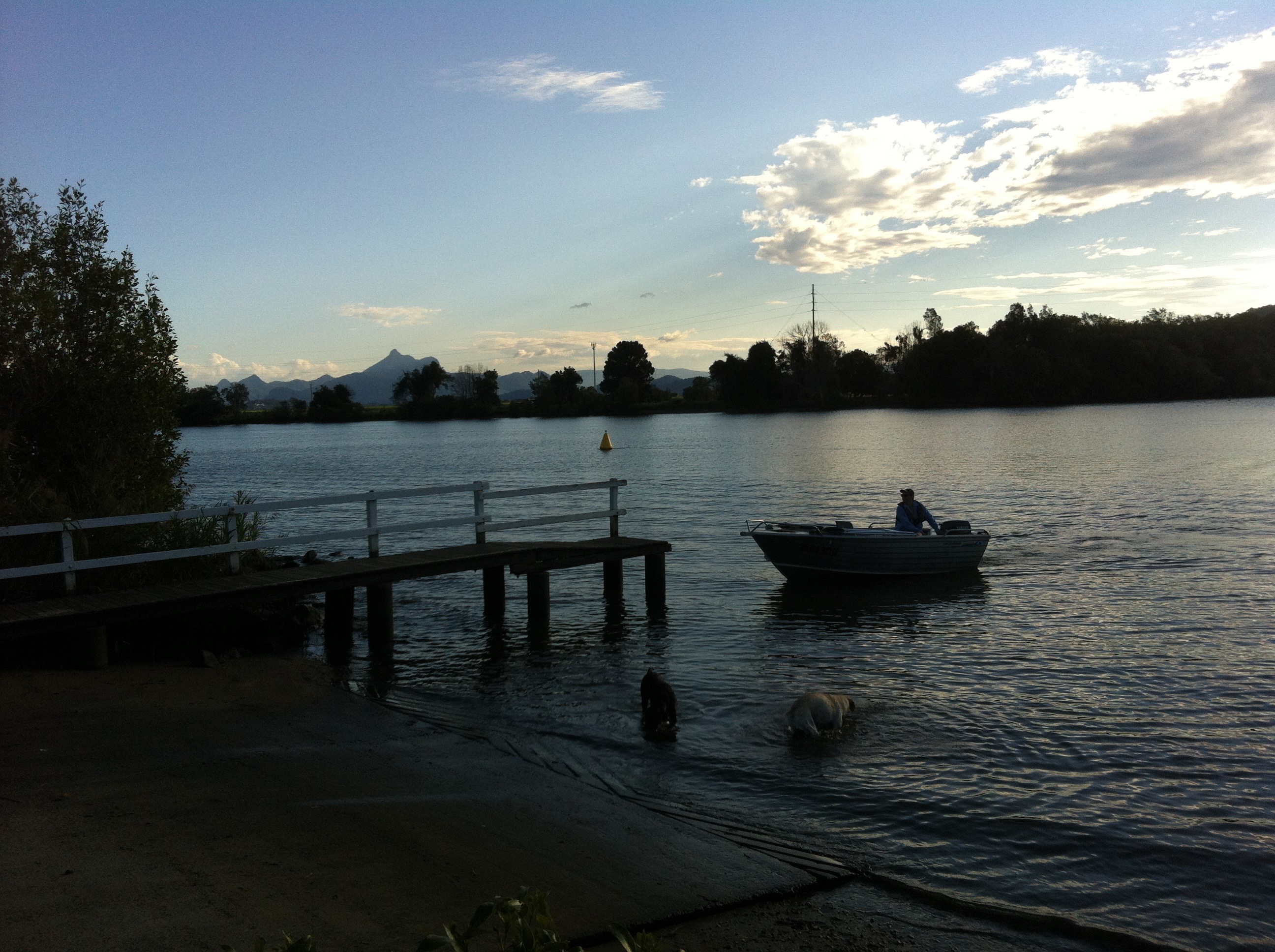
    One of our favourite pastimes is fishing in the Tweed River. We launch our tinny at Tumbulgum because the boat ramp and jetty are good here. We fish the deep holes and sand flats up river and down, and we usually catch a decent fish or two. The scenery of course is fantastic, from Mount Warning and the volcanic rim in the distance to watching the bird life along the river bank. The Tweed River is a special place for us.

    One of our favourite pastimes is fishing in the Tweed River. We launch our tinny at Tumbulgum because the boat ramp and jetty are good here. We fish the deep holes and sand flats up river and down, and we usually catch a decent fish or two. The scenery of course is fantastic, from Mount Warning and the volcanic rim in the distance to watching the bird life along the river bank. The Tweed River is a special place for us.

  • And, from little things big things grow..
    by brucemoon, almost 10 years ago

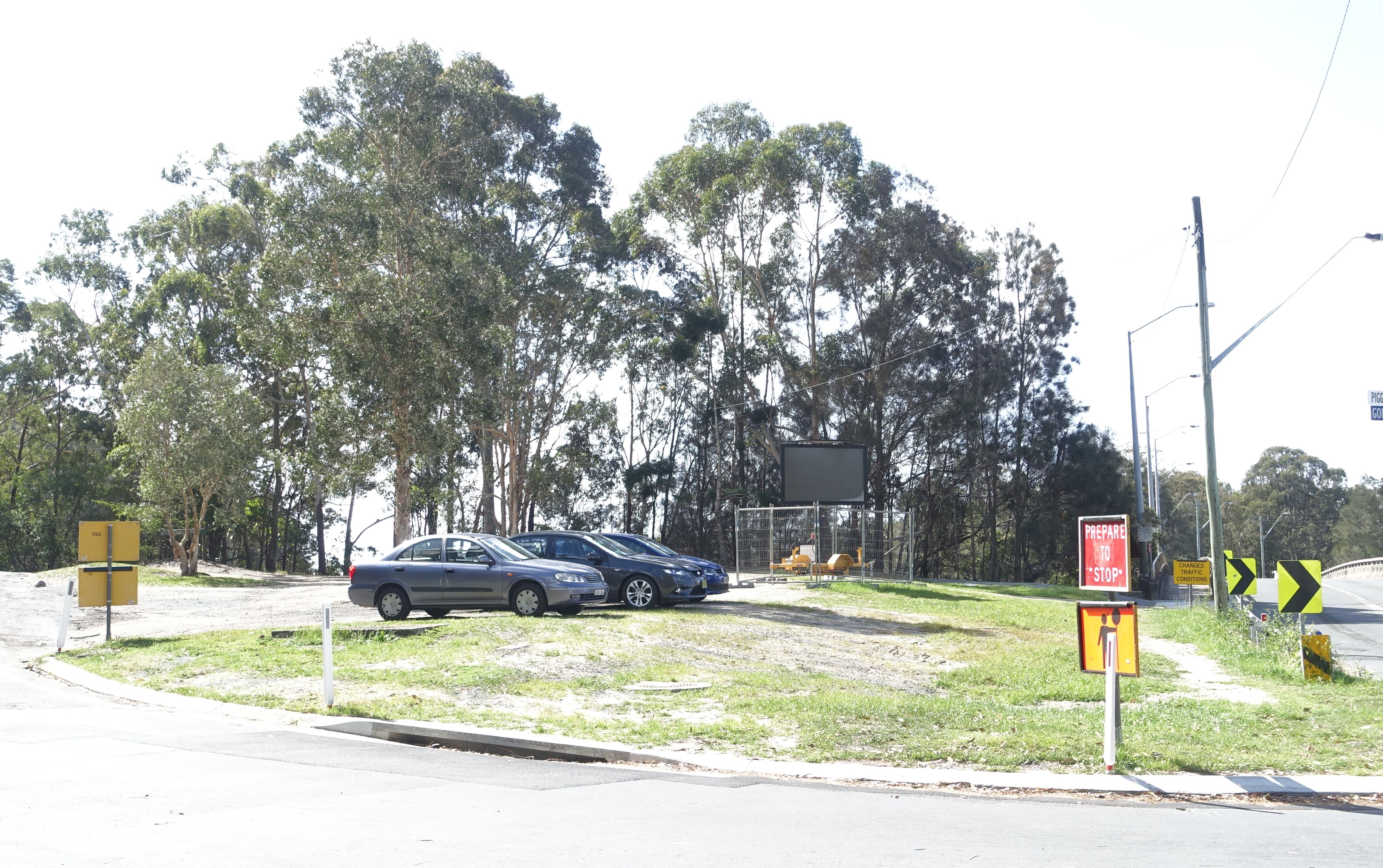
    Believe it or not, this is a picture of Boyd Family Park at West Tweed.

    Until recently, there were trees and grass. But, a stormwater upgrade meant Council had to remove the vegetation. In it's place is gravel.

    With a frontage onto busy Gollan Drive and now with a hard surface, the park makes an ideal site for car owners seeking to sell their vehicles.

    Who knows, one day Council might place line marking and charge prospective vendors to place their car.

    Facetiousness aside, Council has no policy regarding revegetation following engineering works.

    Ideally, Council will develop a policy whereby... Continue reading

    Believe it or not, this is a picture of Boyd Family Park at West Tweed.

    Until recently, there were trees and grass. But, a stormwater upgrade meant Council had to remove the vegetation. In it's place is gravel.

    With a frontage onto busy Gollan Drive and now with a hard surface, the park makes an ideal site for car owners seeking to sell their vehicles.

    Who knows, one day Council might place line marking and charge prospective vendors to place their car.

    Facetiousness aside, Council has no policy regarding revegetation following engineering works.

    Ideally, Council will develop a policy whereby it's various departments will be required to include a revegetation budget in any works undertaken. And, the revegetation outcome will also be according to a yet to be developed Council policy.

    This example shows the impact of inadequate policy in relation to the urban landscape. Hopefully, policy development to address the inadequacy will allow the growth of (re)vegetation in the Tweed.

    .

  • OMG, why not another solution?

    by brucemoon, almost 10 years ago

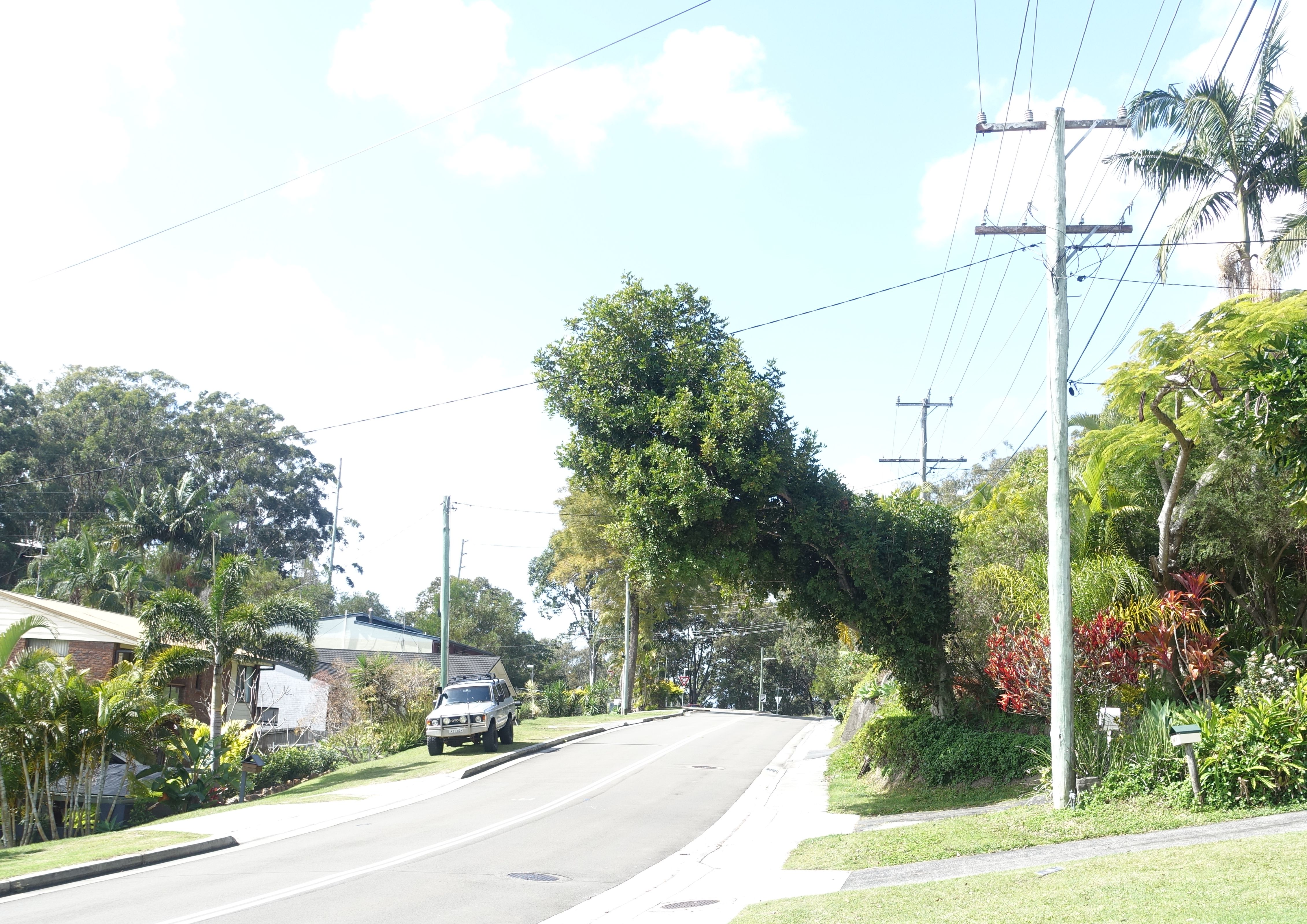
    We've all seen this sort of landscape. Ugly is the first reaction. Why not another way follows shortly.

    Protecting citizens from line damage caused by wind affected branches warrants such intervention. But, this 'solution' is only a recent approach.

    The saddest aspect is that each year, the electricity authorities team up with the tree loppers to not only remove any regrowth but also increase the 'size' of the intervention. What was once a small cut in the vegetation has now been increased to almost absurdity.

    Note the lack of vegetation on the other side of the street!

    Surely Council could... Continue reading

    We've all seen this sort of landscape. Ugly is the first reaction. Why not another way follows shortly.

    Protecting citizens from line damage caused by wind affected branches warrants such intervention. But, this 'solution' is only a recent approach.

    The saddest aspect is that each year, the electricity authorities team up with the tree loppers to not only remove any regrowth but also increase the 'size' of the intervention. What was once a small cut in the vegetation has now been increased to almost absurdity.

    Note the lack of vegetation on the other side of the street!

    Surely Council could develop a policy whereby 'offending' vegetation is replaced with vegetation having a similar growth habit on the opposite side of the street. And, then replacing the large tree with trees better suited to growing under powerlines.

    Rather than have the urban landscape annually butchered, surely Council could interact with the electricity supply authority to develop a strategy whereby vegetation 'resiting' is undertaken. The annual 'maintenance' would then be undertaken less often (saving costs). And, the urban aesthetic landscape would be enhanced.

    .

  • Bad landscape policy

    by brucemoon, almost 10 years ago

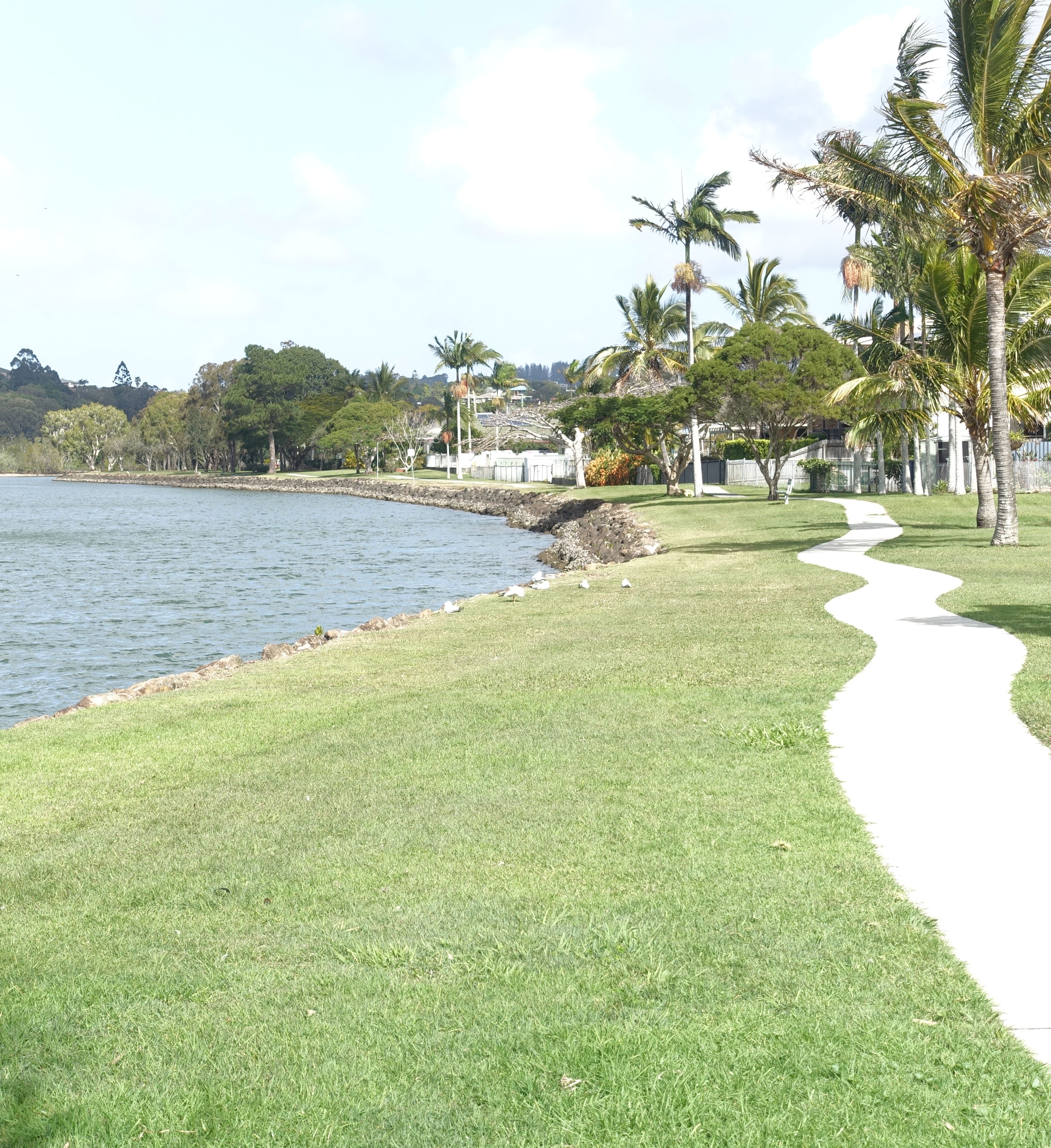
    Here is a delightful landscape. But, it was once better.

    All the trees along this foreshore have been planted by adjacent residents and have matured wonderfully.

    Five years ago, there were 17 extra trees along this foreshore.

    For various reasons, the trees have been removed by Council. Several of the resident report at the time of removal they asked the Council officers to plant a replacement. They report Council officers advised they had no power to replace. A couple said they later asked the Council officers who manage the park to replace. The Council parks management staff say there is... Continue reading

    Here is a delightful landscape. But, it was once better.

    All the trees along this foreshore have been planted by adjacent residents and have matured wonderfully.

    Five years ago, there were 17 extra trees along this foreshore.

    For various reasons, the trees have been removed by Council. Several of the resident report at the time of removal they asked the Council officers to plant a replacement. They report Council officers advised they had no power to replace. A couple said they later asked the Council officers who manage the park to replace. The Council parks management staff say there is no policy to enable them to (re)plant and all they can do is submit a detailed request to HO (which it appears they are loath to do).

    Some residents decided to plant replacement trees themselves. Sadly, the same Council officers came along and removed these 'replacements'.

    The Council's applicable policy the 'Tree Management Guidelines for Council Managed Land' is primarily focussed on how trees are to be removed.

    Council ought revise the policy to address both corridor parks and the streetscape to;

    1/. enable replacement plantings for each and every tree removed adjacent to the site (unless factors otherwise dictate, wherein a nearby site is selected);

    2/. measure the length of all Council's streets and corridor parks in the urban precinct and devise a strategy to infill &/or plant on both sides of the street such that the entire urban area of the Shire is planted out by (say) 2036.

    3/. in any (re)plantings, select trees that are both suitable for the site and provide a dense aesthetic.

    .

  • The evolving urban landscape

    by brucemoon, almost 10 years ago

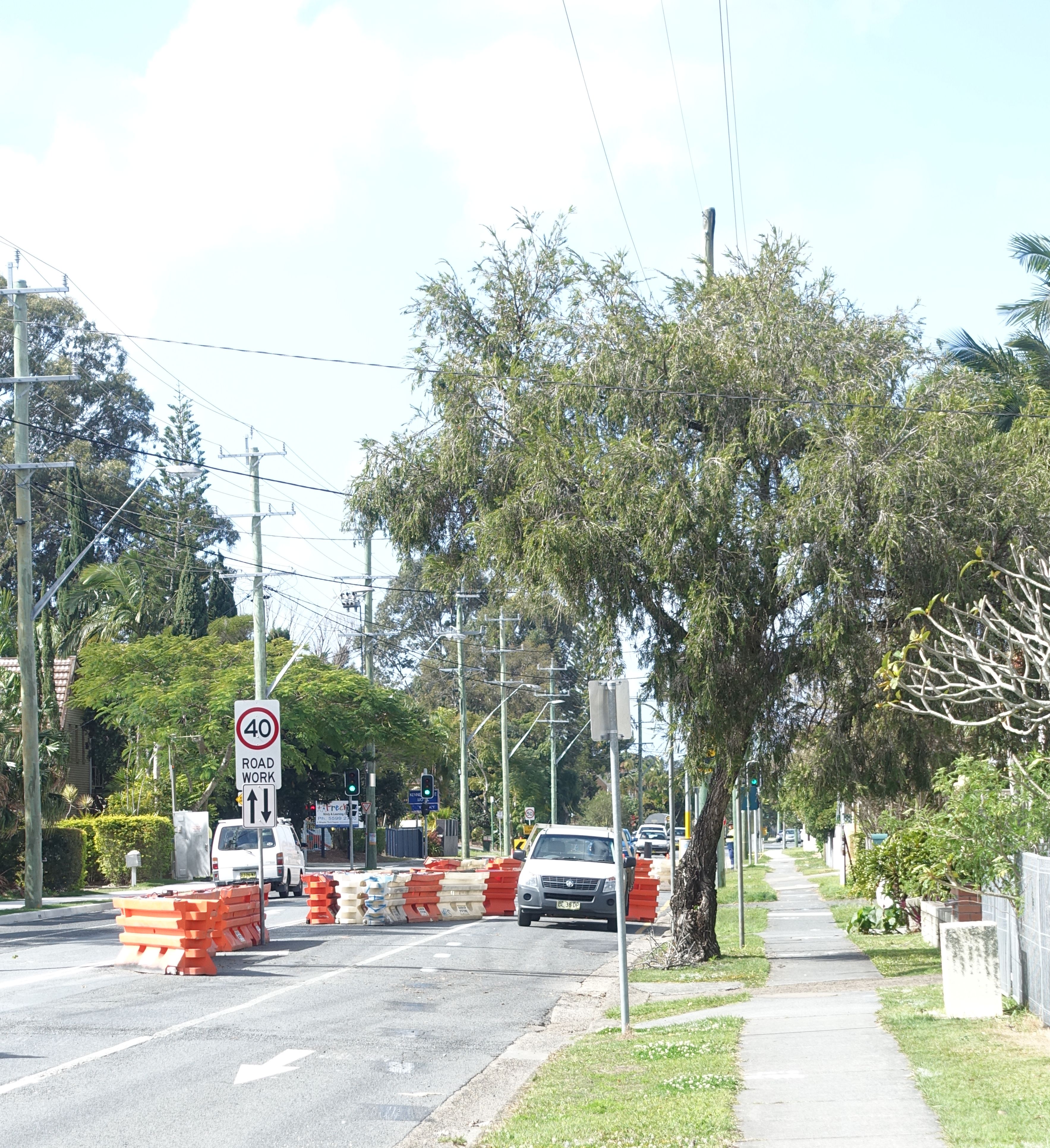
    This is a frequently occurring landscape in the urban Tweed - once was scenically attracive is now becoming a wasteland.

    The attached picture shows the last remaining street tree on Kennedy Drive. It was one of many dozen along the road. As most know, the potholed goat track has received funding for a new surface. Council decided that the new kerbing meant the trees had to go.

    While the reasoning is contestable - there were other ways to address the new kerbing around the many dozens of mature trees - it is the decision not to replace the trees that... Continue reading

    This is a frequently occurring landscape in the urban Tweed - once was scenically attracive is now becoming a wasteland.

    The attached picture shows the last remaining street tree on Kennedy Drive. It was one of many dozen along the road. As most know, the potholed goat track has received funding for a new surface. Council decided that the new kerbing meant the trees had to go.

    While the reasoning is contestable - there were other ways to address the new kerbing around the many dozens of mature trees - it is the decision not to replace the trees that impacts on the aesthetic.

    For whatever reason, Council has decided that though Kennedy Drive has not been increased in width there can no longer be any street trees along Kennedy Drive.

    While the American approach to traffic 'management' is to ensure there are no obstacles to vision, the result is that motorists feel unrestricted to speed. The European approach is the opposite. Let motorists speed on highways, but retain (any) vision restrictions on minor roads so that motorists feel disinclined to speed.

    So, yet again, Tweed removes the aesthetic landscape from urban roads and motorists drive faster.

  • Frangela Drive Reserve of Old

    by Reserve, almost 10 years ago
    Old Frangela Reserve

    In 2012 we moved to the once glorious Frangela Drive in Murwillumbah with spectacular views and a leash free dog park across the road. Unfortunately a Flying Fox roost has taken up residence and denuded the trees. One of the scenic parks in an urban space has now totally lost its magic.

    In 2012 we moved to the once glorious Frangela Drive in Murwillumbah with spectacular views and a leash free dog park across the road. Unfortunately a Flying Fox roost has taken up residence and denuded the trees. One of the scenic parks in an urban space has now totally lost its magic.

  • Fingal Headland

    by Sue & Roger, about 10 years ago

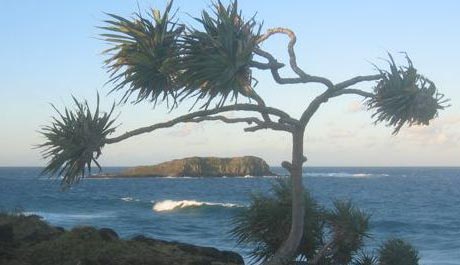
    The jewel of Tweed Shire Council Coastal Village location is the most sought out coastal headland by visitors from international to interstate and within our state frequented throughout the year.

    Due to the ever increasing social media, Fingal Headland has taken the world of awe and inspiration by storm noting the volume of sightings being; offshore birds, large schools of fish, dolphins and whale spotting.

    Easily accessible from Fingal Head Beach with; parking, toilet/shower block, and Holiday Park accommodation gives life to Fingal Head Coastal Village and this is obvious with the swell of visitors to the area.

    What a... Continue reading

    The jewel of Tweed Shire Council Coastal Village location is the most sought out coastal headland by visitors from international to interstate and within our state frequented throughout the year.

    Due to the ever increasing social media, Fingal Headland has taken the world of awe and inspiration by storm noting the volume of sightings being; offshore birds, large schools of fish, dolphins and whale spotting.

    Easily accessible from Fingal Head Beach with; parking, toilet/shower block, and Holiday Park accommodation gives life to Fingal Head Coastal Village and this is obvious with the swell of visitors to the area.

    What a gem of a location to visit.

  • Light through the darkness

    by robwise, about 10 years ago

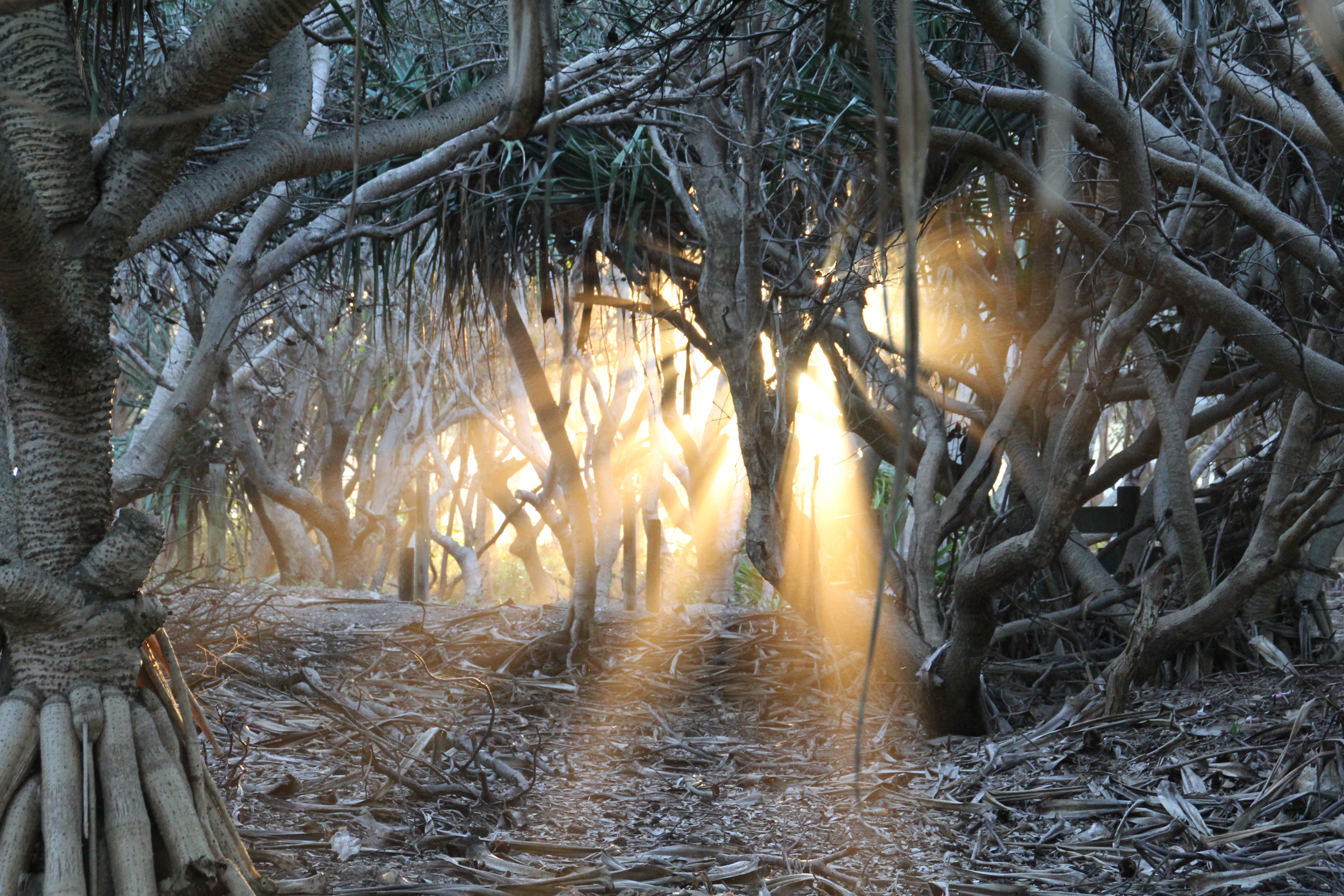
    I took this picture at Norries Headland (Cabarita). This picture is taking looking back at the aboriginal middens, while behind where I took the photo is the rock wall that was built by sand miners in the 1950s/1960s that protects the spit and forms the cove. This is a special place both historically and visually especially with the light filtering through the trees of a sunset.

    I took this picture at Norries Headland (Cabarita). This picture is taking looking back at the aboriginal middens, while behind where I took the photo is the rock wall that was built by sand miners in the 1950s/1960s that protects the spit and forms the cove. This is a special place both historically and visually especially with the light filtering through the trees of a sunset.
  • The Caldera Rim

    by LouBear, about 10 years ago

    Thank you for this opportunity to contribute.

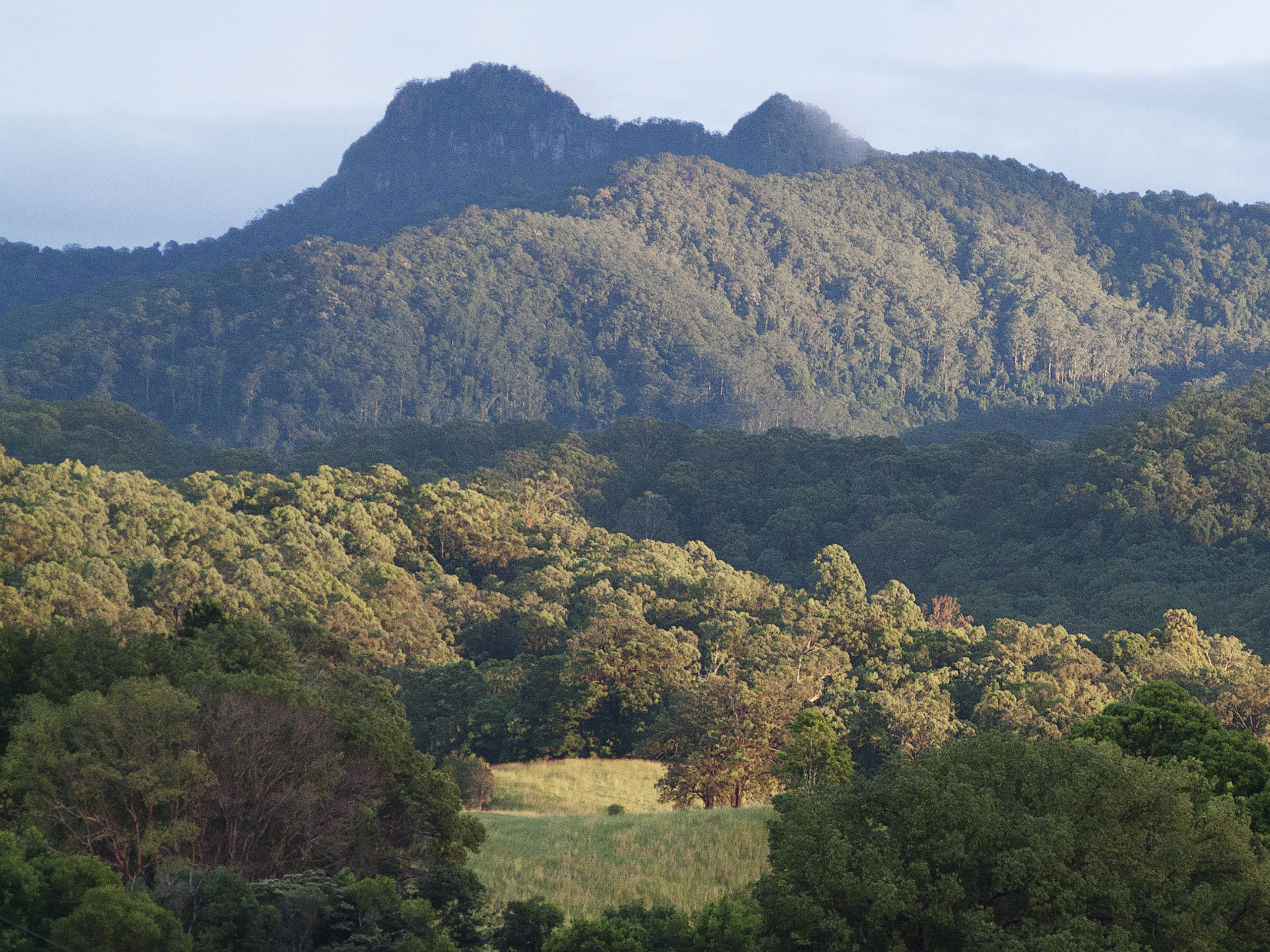
    There are many vistas that are important in the area of scenic landscape value...I'm hoping others have already mentioned them...however one that is of major importance and could easily be overlooked is the integrity of the Caldera rim. This is especially so in the area of Terranora, Tomewin, Glengarrie, Piggabeeen and Carool...(the rim that is visible from the Murwillumbah Hospital, looking north-northeast).

    This rim is important for the following reasons:

    • It provides a physical, visual and landscape character boundary between the Tweed Valley and the Gold Coast
    • It provides visual landscape character for... Continue reading

    Thank you for this opportunity to contribute.

    There are many vistas that are important in the area of scenic landscape value...I'm hoping others have already mentioned them...however one that is of major importance and could easily be overlooked is the integrity of the Caldera rim. This is especially so in the area of Terranora, Tomewin, Glengarrie, Piggabeeen and Carool...(the rim that is visible from the Murwillumbah Hospital, looking north-northeast).

    This rim is important for the following reasons:

    • It provides a physical, visual and landscape character boundary between the Tweed Valley and the Gold Coast
    • It provides visual landscape character for the valley
    • it is highly vulnerable to degradation
    • Due to its visibility it is extremely sensitive as a landscape character feature and enclosing 'backdrop' for the valley
    • It is likely that it will become more vulnerable to development and housing pressures
    • the landscape integrity of the caldera rim, due to its beauty and importance in maintaing the landscape character of the whole of the valley, in itself has significant financial value as it helps define the Tweed as 'different' to the Gold Coast and signifies a different experience that the valley offers for tourism, especially eco-tourism

    There is one large (white?) house on the escarpment now, with substantial tree clearing surrounding it, creating a 'bald' suburban-like patch on an otherwise relatively visually pristine escarpment line.

    In Canberra, the National Capital Development Commission (NCDC) made a planning decision that prohibited housing on top of escarpment/ridge lines. They did this to encourage the 'natural' feel of the area and to prevent the sense of suburban creep overpowering the region. It was very effective in protecting, maintaining and enhancing the natural landscape character of the area. The 'undisturbed' ridge lines provided a wonderful natural enclosure to the growing city. Housing was permitted below the visual ridge line catchment. Tree lines were protected and maintained, providing uninterrupted natural vistas.

    At night, the glow of the lights from the Gold Coast is now increasing behind the escarpment in this location...hinting of the 'threat' of suburban creep. If the escarpment is broken and damaged by housing/development the natural value and visual integrity of 'the Tweed' will be threatened.

    I realise the attraction of building houses on the ridge line, however guidelines regarding housing placement and tree preservation on the escarpment would prevent the escarpment becoming 'urbanised'. Once the escarpment tree line is 'broken' and damaged, the landscape character of the Tweed, which is becoming more valuable with the passing of time, will be permanently damaged. It would be difficult and expensive to reclaim the escarpment character if it is allowed to be spoiled. Continuity of the tree line is vital.

    Visual landscape character catchments are so important to the quality of an area and the experience and wellbeing of residents and visitors alike.

    Thank you for what you're doing in creating a scenic landscape strategy...it's so valuable for us and future generations.

  • Wilderness Beach

    by LouBear, about 10 years ago

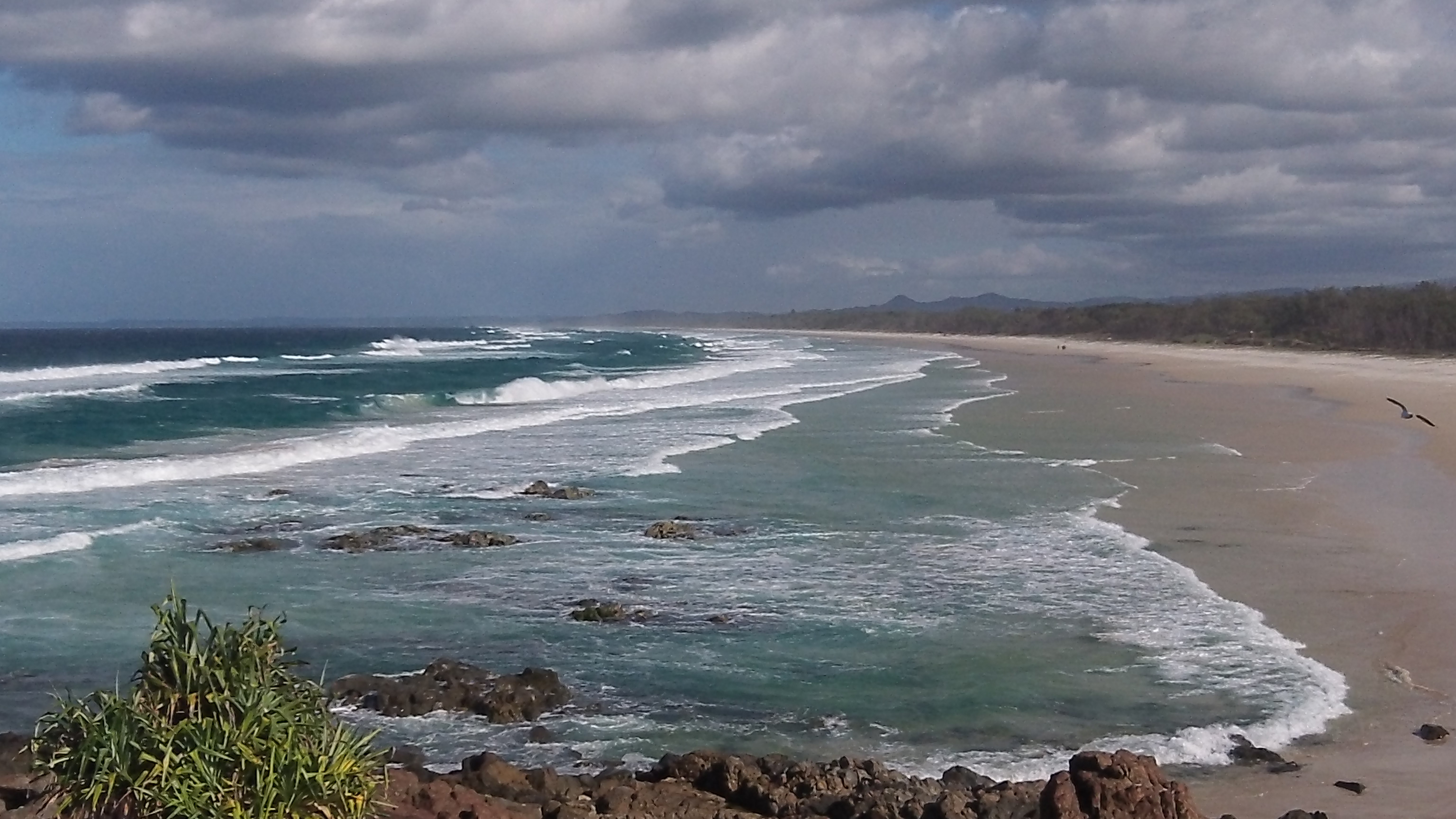
    My favourite Tweed view is of a scene taken from Hastings Point Headland looking south toward Pottsville Beach. Though locals are very aware of this beauty spot, tourists often drive past the turn off and never even realize what they have missed! This is one of my favourites because it is easily accessible by car so is the perfect place for elderly and people with disability who are not able to walk distances or stairs to access such a scene of such spectacular quality. This spot offers panoramic views in just about every direction. It's a perfect place to watch... Continue reading

    My favourite Tweed view is of a scene taken from Hastings Point Headland looking south toward Pottsville Beach. Though locals are very aware of this beauty spot, tourists often drive past the turn off and never even realize what they have missed! This is one of my favourites because it is easily accessible by car so is the perfect place for elderly and people with disability who are not able to walk distances or stairs to access such a scene of such spectacular quality. This spot offers panoramic views in just about every direction. It's a perfect place to watch a sunrise, to see whale and dolphins or to relax to the sound of the crashing surf. What is most wonderful about this view is that it is a view of wild coastline! What I mean is looking to the south as shown in this photo, there is not a building or house to be seen! What I see when I go there, is how the coastline would have looked when Captain Cook sailed past!

    Also, the beach shown in the photo is one along which I love to stroll, for the very reason I specified above; to feel the joy of strolling along what feels like a wilderness beach.

Page last updated: 11 May 2026, 10:13 AM